
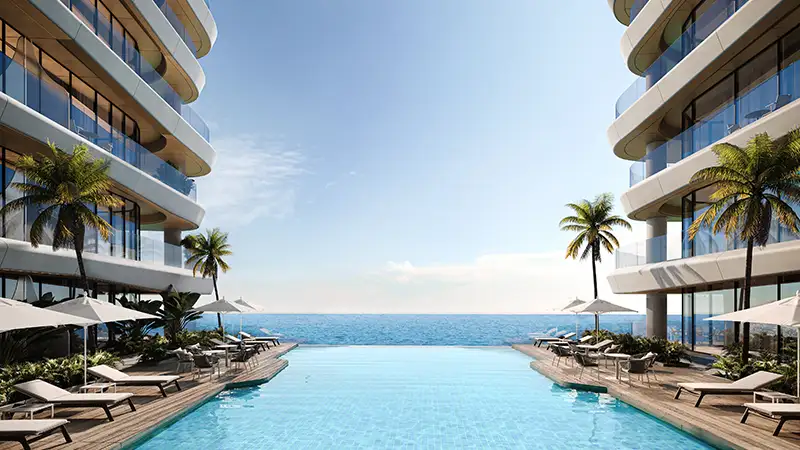
The real estate in Ras Al Khaimah has experienced noticeable growth in recent years, supported by tourism expansion, infrastructure development, and the introduction of large-scale lifestyle communities. As the emirate continues to evolve, it is becoming an increasingly important part of the UAE’s broader property landscape.
Rather than competing directly with larger metropolitan markets, Ras Al Khaimah is developing its own identity through waterfront communities, hospitality-driven growth, and carefully planned urban expansion. These factors are also contributing to growing interest in residential communities and Off Plan RAK developments across the emirate.
The Growing Role of Waterfront Communities
Waterfront developments continue to shape the direction of real estate in Ras Al Khaimah. Coastal areas such as Al Marjan Island and Mina Al Arab have seen ongoing residential and hospitality expansion over the last few years.
Modern projects in these locations are being designed around integrated living concepts that combine residential spaces, leisure facilities, hospitality elements, and retail environments within a single community. This type of planning reflects changing lifestyle preferences among residents and property buyers.
The continued development of waterfront areas is also contributing to broader infrastructure improvements throughout the emirate.
Tourism Expansion and Its Influence on Development
Tourism has become one of the main drivers behind Ras Al Khaimah’s economic growth. The emirate continues to attract visitors through its beaches, mountain landscapes, outdoor activities, and hospitality sector.
As tourism activity expands, there is increasing demand for:
- Hospitality infrastructure
- Short-term accommodation
- Residential communities near tourist destinations
- Mixed-use lifestyle developments
This relationship between tourism and urban development is helping shape long-term planning across multiple areas of the emirate.
Al Marjan Island and Emerging Hospitality Projects
One of the most closely watched areas in Ras Al Khaimah is Al Marjan Island, which continues to attract attention due to ongoing hospitality and residential projects.
The development of Wynn Resort Al Marjan Island has contributed to increased visibility for the area and accelerated discussions around tourism-led growth in the emirate.
In addition to hospitality expansion, surrounding residential communities are also evolving with new apartment developments, waterfront residences, and lifestyle-focused projects designed to support future population and visitor growth.
Infrastructure Improvements Across the Emirate
Infrastructure development remains an important factor supporting long-term growth in Ras Al Khaimah. Road enhancements, public service expansion, and improved connectivity to neighboring emirates are helping strengthen accessibility throughout the region.
Key areas of focus include:
- Highway and transport improvements
- Expansion of retail and hospitality facilities
- Development of schools and healthcare infrastructure
- Public space and community enhancements
These improvements are helping support both residential growth and tourism activity.
Changing Preferences Among Buyers and Residents
Residential preferences in the UAE continue to evolve, and this shift is also visible in Ras Al Khaimah. Many buyers are increasingly prioritizing lifestyle-oriented environments that offer a balance between urban convenience and natural surroundings.
Current demand trends show growing interest in:
- Low-density communities
- Walkable residential areas
- Coastal and nature-based environments
- Developments with wellness and leisure amenities
This shift has encouraged developers to focus more on community planning and long-term livability rather than purely high-density construction.
The Rise of Integrated Communities
Integrated developments are becoming more common throughout Ras Al Khaimah. These projects typically combine residential spaces with hospitality, retail, entertainment, and recreational facilities.
The purpose of this approach is to create self-contained communities that support everyday living while also enhancing lifestyle experiences for residents and visitors.
Examples of features commonly included in newer developments include:
- Community retail centers
- Landscaped walking areas
- Beach and marina access
- Wellness and fitness spaces
- Family-friendly recreational zones
This style of development reflects broader trends in modern urban planning across the UAE.
Population Growth and Urban Expansion
As economic activity continues to expand, population growth is expected to influence future residential demand in Ras Al Khaimah. The emirate’s growing hospitality sector, infrastructure projects, and commercial developments are contributing to increased long-term activity.
Urban expansion is therefore being supported through:
- New residential communities
- Mixed-use districts
- Commercial and business zones
- Hospitality-led developments
Projects such as the planned RAK Central district highlight the emirate’s broader focus on economic diversification and urban growth.
Sustainability and Smart Development Trends
Sustainability has become an increasingly important part of modern development planning in the UAE, and the Ras Al Khaimah real estate market is following similar trends.
Many newer projects now incorporate features such as:
- Energy-efficient building systems
- Green open spaces
- Smart home technologies
- Environmentally conscious design elements
Developers are also placing greater emphasis on walkability, outdoor spaces, and community-focused layouts that support long-term sustainability goals.
The Importance of Long-Term Planning
One of the defining characteristics of Ras Al Khaimah’s development approach is its long-term planning strategy. Instead of rapid overexpansion, many projects are being introduced gradually alongside supporting infrastructure improvements.
This measured pace of development helps maintain balance between residential growth, tourism expansion, and public infrastructure capacity.
As a result, the off plan RAK continues to develop in a way that supports future scalability while preserving lifestyle appeal.
How Ras Al Khaimah Fits Into the UAE Real Estate Landscape
Ras Al Khaimah is gradually establishing itself as a complementary market within the UAE rather than a direct alternative to larger cities. Its focus on waterfront communities, tourism growth, and integrated developments creates a different type of residential environment compared to more densely urbanized areas.
This distinction has contributed to growing interest from residents, developers, and businesses seeking lifestyle-focused communities within the UAE.
The Influence of Hospitality-Led Development
Hospitality continues to play a significant role in shaping urban growth across Ras Al Khaimah. The expansion of resorts, hotels, and entertainment destinations has encouraged surrounding residential and commercial development, particularly in coastal areas.
Unlike traditional city-centered growth, many developments in Ras Al Khaimah are being designed around leisure and tourism experiences. This has led to the creation of communities that prioritize open spaces, waterfront access, and integrated lifestyle amenities.
As hospitality projects continue to expand, nearby residential districts are also evolving to support increasing visitor activity and long-term population growth.
The Growing Appeal of Coastal Living
Coastal living has become one of the defining features of residential development in Ras Al Khaimah. Communities near beaches, marinas, and waterfront promenades are attracting attention due to their balance of natural surroundings and modern infrastructure.
Areas such as Al Hamra Village and Al Marjan Island continue to evolve with new residential and hospitality additions that support this demand.
Several factors contribute to the appeal of coastal communities:
- Access to outdoor recreational spaces
- Walkable waterfront environments
- Hospitality and dining options nearby
- Integrated residential and leisure planning
This trend reflects broader lifestyle changes across the UAE, where buyers increasingly value quality-of-life features alongside location and connectivity.
Mixed-Use Developments and Urban Planning
Mixed-use projects are becoming increasingly important in Ras Al Khaimah’s urban planning strategy. Rather than separating residential and commercial areas, many modern developments now combine multiple functions within a single district.
This planning approach helps create communities where residents can live, work, and access amenities without relying heavily on long-distance travel.
Common elements of mixed-use developments include:
- Residential apartments and villas
- Office and business spaces
- Retail outlets and cafes
- Public gathering areas
- Leisure and entertainment facilities
This type of urban structure contributes to more active communities and supports long-term sustainability goals.
The Role of Nature and Outdoor Spaces
One distinguishing aspect of Ras Al Khaimah’s development landscape is its connection to natural environments. The emirate’s beaches, desert landscapes, and mountain scenery continue to influence how communities are planned and designed.
Developers are increasingly integrating outdoor features such as:
- Landscaped parks
- Walking and cycling paths
- Waterfront promenades
- Community gardens and open areas
These elements support wellness-focused living and encourage more balanced residential environments.
In many newer communities, outdoor areas are considered a core part of the overall master plan rather than an afterthought.
How Remote Work Is Influencing Residential Preferences
Changing work patterns have also influenced residential demand trends in recent years. As remote and flexible working models become more common, many residents are prioritizing locations that offer quieter surroundings and improved lifestyle balance.
This shift has increased interest in areas outside densely populated city centers, including waterfront and low-density communities across Ras Al Khaimah.
Key factors influencing this trend include:
- Larger living spaces
- Access to nature and outdoor activities
- Reduced congestion
- Community-oriented environments
As a result, developers are increasingly designing projects that accommodate both residential comfort and modern work-from-home lifestyles.
Retail and Commercial Growth Supporting Communities
Retail and commercial development continue to expand alongside residential growth in Ras Al Khaimah. New shopping destinations, dining spaces, and business districts are helping support the emirate’s evolving urban structure.
Commercial activity is particularly important in integrated communities because it improves convenience and enhances long-term livability for residents.
Recent development trends include:
- Community retail centers
- Hospitality-linked commercial zones
- Office and coworking spaces
- Entertainment-focused districts
These additions contribute to creating more self-sustained neighborhoods throughout the emirate.
Transportation and Accessibility Improvements
Accessibility remains an important component of long-term urban development. Continued improvements to transportation infrastructure are strengthening connections between Ras Al Khaimah and other parts of the UAE.
Road network enhancements and infrastructure upgrades are helping improve travel efficiency for residents, tourists, and businesses.
Improved accessibility also supports:
- Tourism expansion
- Business growth
- Residential development
- Regional connectivity
As infrastructure continues to develop, it is expected to further influence future planning and community growth across the emirate.
The Evolution of Residential Architecture
Community-Focused Development Strategies
Developers are placing greater emphasis on community-oriented planning rather than standalone residential towers or isolated housing projects.
This strategy focuses on creating neighborhoods that encourage social interaction and long-term resident engagement through shared amenities and public spaces.
Features commonly associated with this approach include:
- Family-oriented facilities
- Shared recreational areas
- Public gathering spaces
- Wellness and fitness amenities
Community-focused development is increasingly viewed as an important factor in maintaining long-term residential appeal and livability.
Long-Term Outlook for Urban Growth
The pace of development in Ras Al Khaimah reflects a broader long-term vision rather than short-term expansion alone. Tourism, infrastructure, hospitality, and residential growth are being developed simultaneously to support sustainable urban evolution.
This balanced approach allows different sectors to grow together while supporting future population increases and economic diversification.
As the emirate continues to expand, future development is likely to focus on:
- Integrated master-planned communities
- Sustainable infrastructure
- Hospitality and leisure destinations
- Residential environments centered around lifestyle and accessibility
These trends are expected to continue shaping the real estate landscape across Ras Al Khaimah in the years ahead.
Conclusion
The real estate in Ras Al Khaimah continues to evolve through tourism growth, infrastructure expansion, and the development of integrated waterfront communities. Areas such as Al Marjan Island and Mina Al Arab remain central to this transformation, reflecting broader changes in lifestyle and urban planning trends across the region.
As the emirate continues to grow, its focus on balanced development, sustainability, and community-oriented planning is helping shape a distinct and evolving real estate market within the UAE.